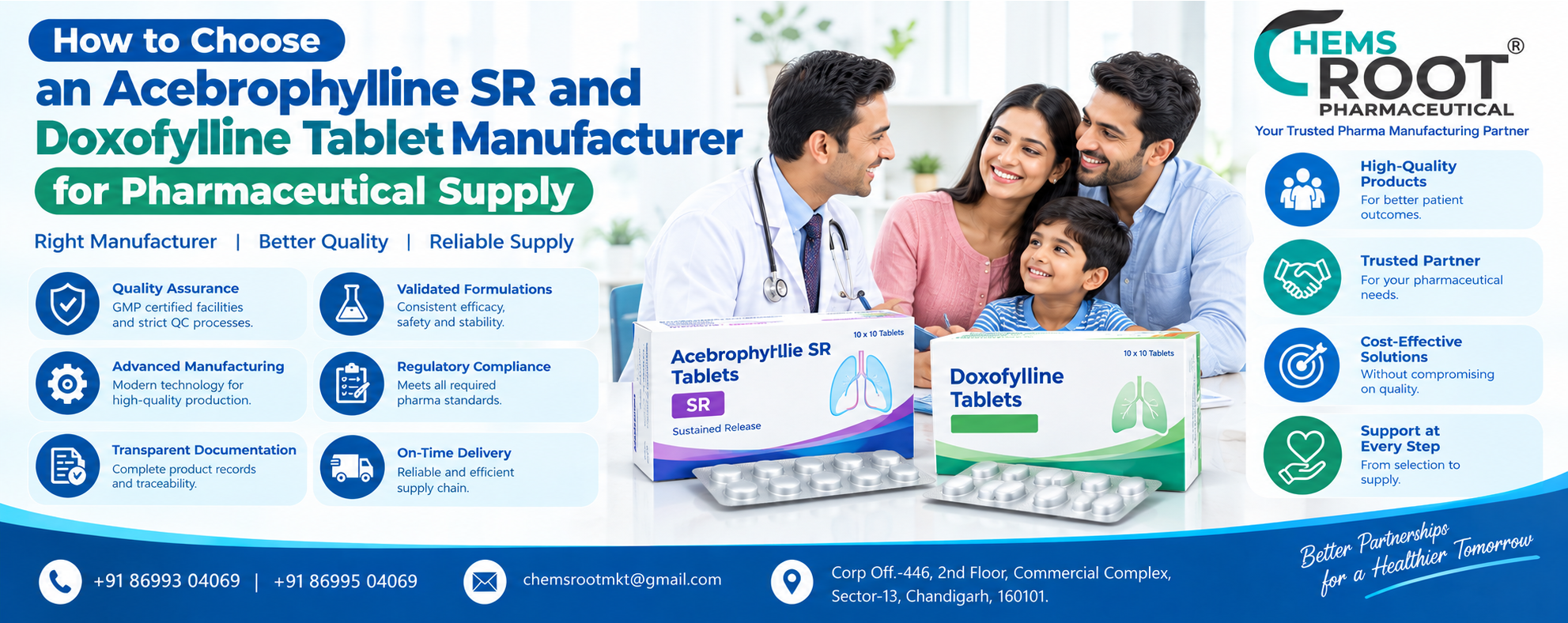
A catalogue entry does not prove that a supplier can manufacture the exact Acebrophylline sustained-release tablet or Doxofylline dosage form your market requires. You will be able to compare product identity, release performance, batch evidence, regulatory authorization, and commercial responsibilities before approving a manufacturer.
Key takeaways
- Match the exact strength, dosage form, and sustained-release presentation.
- Ask for dissolution data proving controlled release across the product shelf life.
- Request the site licence, batch records, stability reports, and quality agreement.
- Check every destination market’s registration, labelling, and import requirements before ordering.
Confirm the exact product before comparing manufacturers
Do not compare manufacturers until the product identity, release type, and licensed presentation match your requirement. An Acebrophylline SR tablet is not interchangeable with an acebrophylline capsule or an acebrophylline–acetylcysteine product, and a Doxofylline tablet manufacturer may not supply every listed strength or release type.
1. Confirm the active ingredient and approved composition. Check whether the product contains acebrophylline alone, doxofylline alone, or doxofylline with montelukast, and record every active quantity per tablet.
2. Record the exact strength and dosage form. Your strength verification must match the proposed label, manufacturing formula, product permission, and purchase specification; “tablet” does not establish whether it is immediate-release or sustained-release.
3. Ask for evidence of the release design. For Acebrophylline SR, request the stated release mechanism, dissolution specification, and dosing schedule. For doxofylline, obtain written confirmation of immediate-release or sustained-release status rather than inferring it from the product name.
4. Check tablet and pack details: excipients, coating, tablet weight, score line, blister or bottle system, pack size, shelf life, and storage statement. These details affect registration, labeling, and production planning.
5. Verify that the actual manufacturing site is licensed for the specified strength and dosage form, holds applicable Schedule M GMP status, and has product permission for that presentation. A franchise or marketing agreement cannot replace this authorization.
Test whether the release profile is controlled, not merely claimed
A single assay certificate cannot prove that an Acebrophylline SR tablet releases medicine at the intended rate. Ask for sustained-release dissolution testing using the approved method, with results at multiple time points rather than one final percentage.
Request these records:
- The in-vitro release specification, including sampling times, acceptance limits, apparatus, medium, volume, agitation speed, temperature, and analytical method.
- A complete dissolution profile for at least three consecutive commercial-scale batches, not only a pass/fail endpoint.
- Method-validation data showing specificity, precision, accuracy, and discriminatory power; deliberately altered batches should produce detectable profile changes.
- Batch release results for identity, assay, content uniformity, related substances, water content, and physical tests such as hardness and friability when specified.
- Process-validation reports covering blending, compression, coating, and any matrix or barrier technology that controls release.
- Stability data showing that the release profile, assay, and related-substance limits remain within specification through the proposed shelf life.
Compare the submitted method with the approved composition and dosage schedule. A method that cannot distinguish a formulation change can allow two batches to pass while releasing drug differently.
Also trace the acebrophylline API to its supplier and batch-specific certificate. Check impurity and residual-solvent controls, retest or expiry date, storage conditions, and reference standards. A finished-product GMP certificate does not prove control of the API supply chain. Evaluate doxofylline under its own API specification, analytical method, impurity profile, and release criteria.
Request the quality and stability file for each finished product
Do not accept a one-page certificate of analysis showing only appearance and assay. Request a separate quality file for each Acebrophylline SR and Doxofylline strength, because the two APIs need different specifications, analytical methods, impurity profiles, and reference standards.
Ask for:
- The approved finished-product specification covering identity, assay, related substances and degradation products, uniformity of dosage units, dissolution or release profile, water content, microbial quality, hardness, friability, and other stated physical tests.
- The named compendial standard, such as Indian Pharmacopoeia, for each test, plus the validated in-house method when no pharmacopoeial method applies.
- The complete SR dissolution method with media, apparatus, agitation speed, sampling times, acceptance limits, and multiple time-point results. A single end-point result cannot establish controlled release.
- API qualification records showing the supplier, manufacturer, batch-specific certificate, impurity and residual-solvent results, retest or expiry date, storage conditions, reference standard details, and evidence of an appropriate API quality system.
- Stability protocols and reports under ICH Q1A(R2) stability conditions, including long-term and accelerated studies, tested batches, packaging, time points, trends, proposed shelf life, and storage statement.
| Document | What to check | Why it matters |
|---|---|---|
| Finished-product specification | Approved limits and test methods | Defines release quality |
| API file | Separate acebrophylline or doxofylline records | Proves the correct active is controlled |
| Stability file | Results through the proposed shelf life | Supports expiry and storage claims |
Verify the licensed site, responsibilities, and supply agreement
Do not accept a quotation until manufacturing site verification confirms that the named Indian facility is licensed to make the specified strength and tablet dosage form. Check the State FDA or CDSCO licence, the approved product permission, the exact site address, and current Schedule M GMP status.
A marketing or PCD agreement does not authorize production. For export, request a country-specific dossier; a WHO GMP certificate or Certificate of Pharmaceutical Product does not replace destination-country registration, labeling, stability, bioequivalence, import-licence, or serialization requirements.
Ask for these records and compare every name, strength, dosage form, and address:
- Current manufacturing licence showing the actual premises
- Product permission for the exact Acebrophylline SR or Doxofylline tablet
- Schedule M GMP certificate, inspection status, and scope covering tablets
- Batch-release procedure identifying the authorized person and releasing site
- API traceability records, batch-specific certificates, retest or expiry dates, and storage conditions
- Export documents matching the destination country’s submission requirements
Put the allocation in a signed quality agreement, not only a purchase order. Chemsroot Pharmaceutical, or any proposed supplier, should identify who performs each activity:
| Responsibility | Assign explicitly |
|---|---|
| Batch disposition | Manufacturer or buyer |
| Deviations, OOS, and OOT investigations | Named investigation owner |
| Stability commitments and retention samples | Named party and storage site |
| Artwork, labeling changes, complaints, recalls, and pharmacovigilance | Named owner and notification deadlines |
| Regulatory inspections | Access, response, and record-production duties |
Without these clauses, the buyer can inherit testing, recall, and regulatory obligations hidden behind a low supply price.
Related products
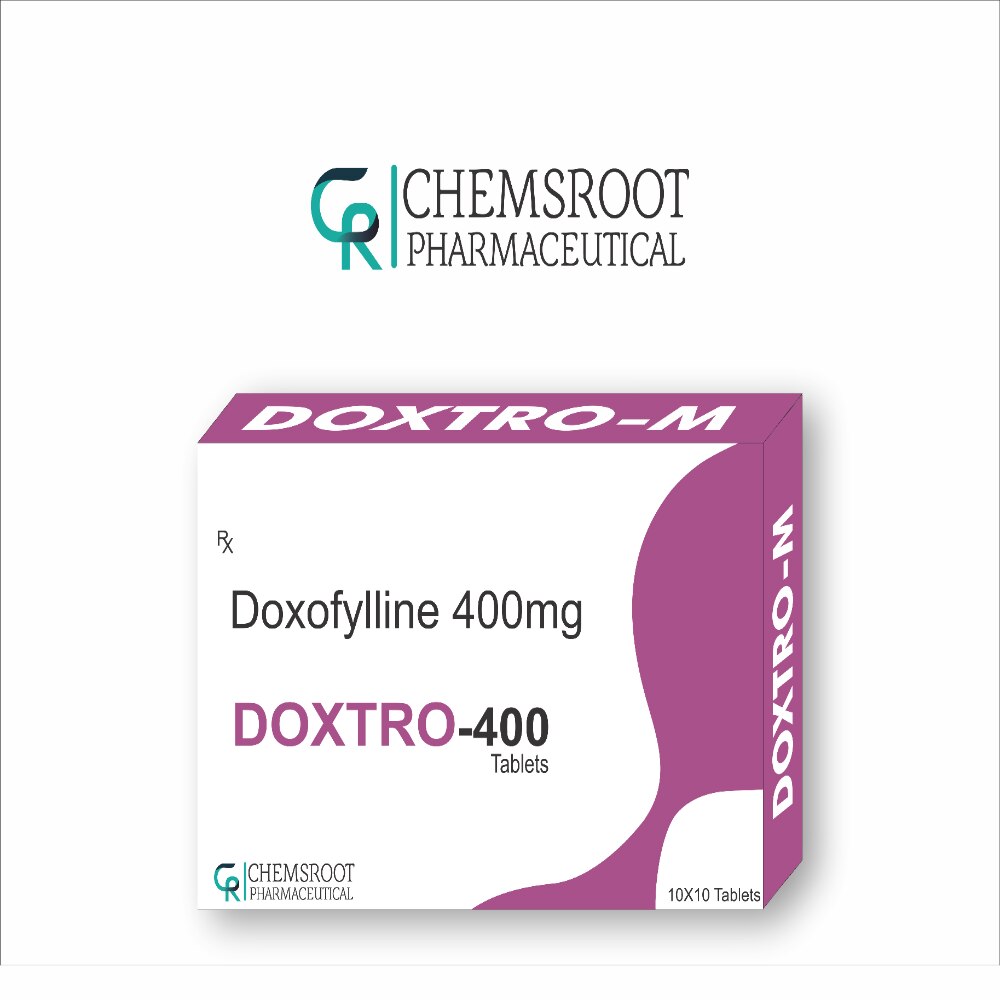 | Composition-Doxofylline 400mg Tablet View product → |
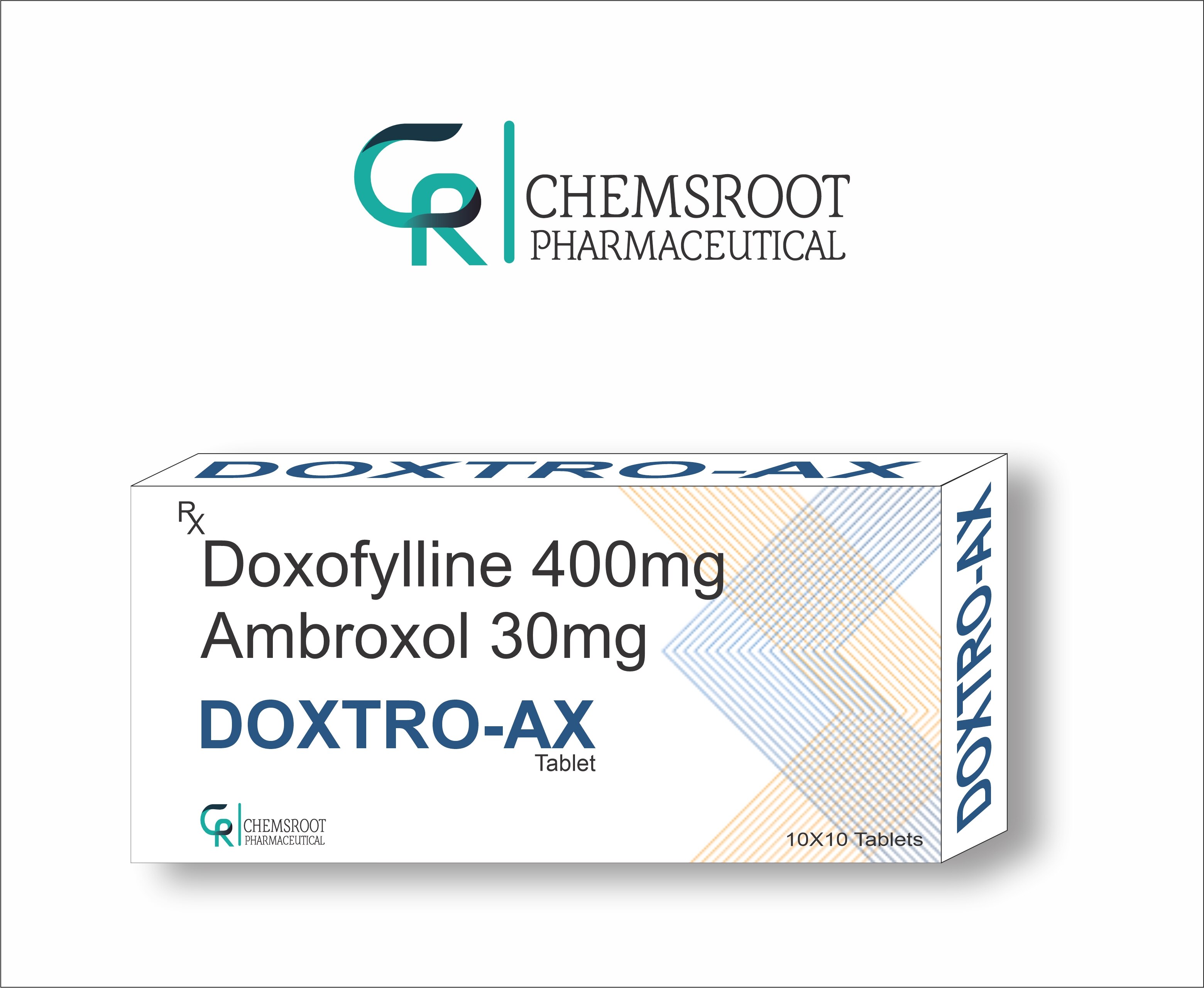 | Doxofylline 400mg Ambroxol 30mg Tablet Composition-Doxofylline 400mg Ambroxol 30mg Tablet View product → |
Use a market-specific approval checklist before awarding the supply
Award the order only after matching the supplier’s file to the destination market. For Indian supply, verify the licensed manufacturing site, approved strength and dosage form, product permission, Schedule M GMP status, and written batch-release responsibility. For export pharmaceutical supply, demand a country-specific package, not a promise that Indian approval travels everywhere.
| Decision point | Domestic India | Export market |
|---|---|---|
| Authorization | Confirm site, dosage form, strength, product permission, and Schedule M status | Confirm destination registration, importer licence, and manufacturing-site acceptance |
| Submission file | Review the approved composition and release specification | Require the regulatory dossier, Certificate of Pharmaceutical Product, stability data, bioequivalence evidence, and local forms |
| Pack controls | Match label, batch details, and pack size to the approved product | Match language, warnings, serialization, artwork, and market-specific pack requirements |
Reject these promises unless documents support them:
- “WHO GMP proves global acceptability.” Ask for a current WHO GMP certificate and confirm whether the destination authority accepts it; it does not replace local registration, labelling, stability, or import requirements.
- “The API is controlled because the finished product site is GMP-certified.” Request API supplier traceability, batch-specific certificates, impurity and residual-solvent results, retest or expiry dating, storage conditions, and quality-system evidence.
- “The formulation will remain equivalent after a process change.” Require approved change control, comparative release-profile data, and a regulatory assessment for polymer, granulation, compression, coating, or tablet-porosity changes.
- “Assay and appearance are enough.” Require identity, assay, related substances, dosage-unit uniformity, dissolution or release profile, and applicable physical and microbial tests.
Frequently asked questions
How do you confirm the exact Acebrophylline or Doxofylline product before comparing manufacturers?
Match the active ingredient, strength, tablet or capsule form, sustained-release designation, pack size, and intended market. An Acebrophylline SR tablet is not interchangeable with an acebrophylline capsule or an acebrophylline–acetylcysteine product.
How can you verify that an Acebrophylline SR or Doxofylline tablet has controlled release?
Request the finished-product dissolution method, acceptance criteria, and profile data at each sampling interval. Compare the manufacturer’s release results with the approved product specification rather than relying on an SR label alone.
Which quality and stability documents should you request from a tablet manufacturer?
Request the product specification, certificate of analysis, dissolution results, assay and impurity data, method validation records, accelerated and long-term stability reports, packaging details, and batch-release documentation.
What should you verify in the manufacturing licence and supply agreement?
Check the licensed manufacturing site, product and dosage-form permissions, quality responsibilities, change-control process, deviation and complaint handling, batch release, audit rights, delivery terms, and market-specific approval duties.
Related products
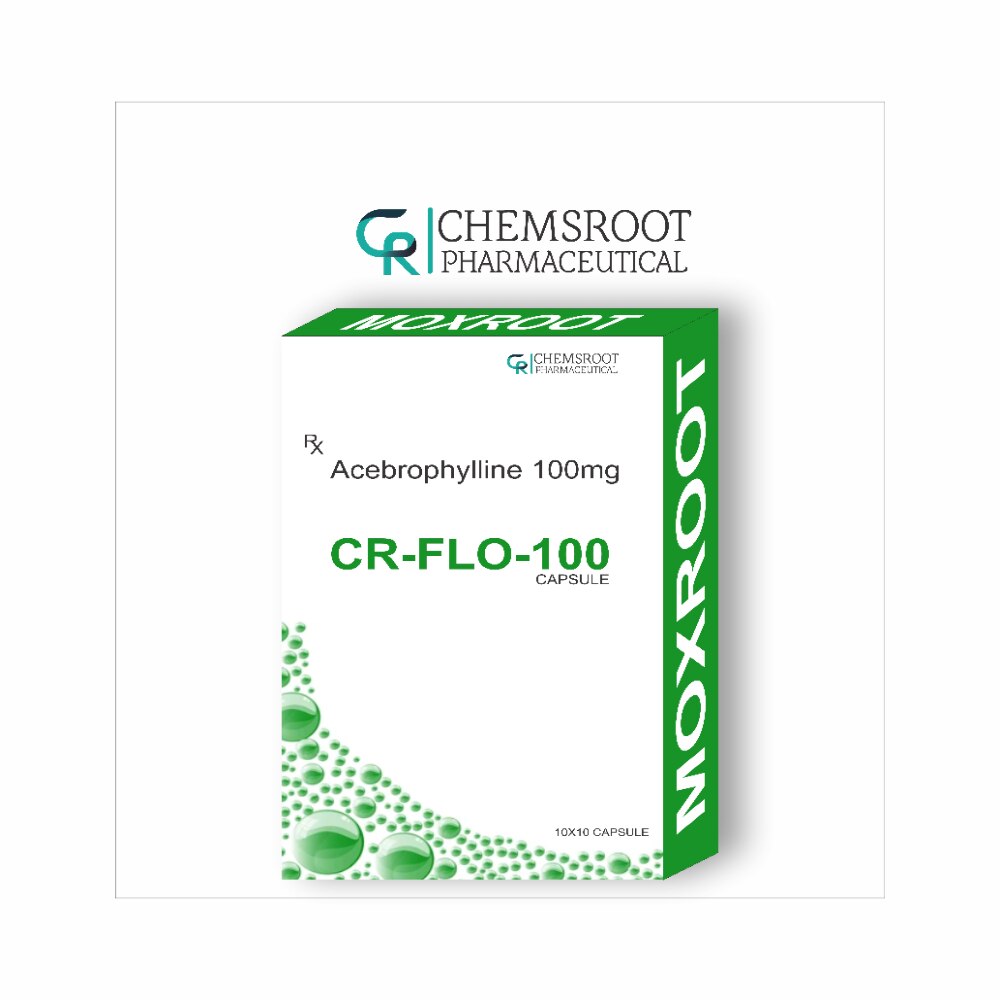 | Composition-Acebrophylline 100mg Capsule View product → |
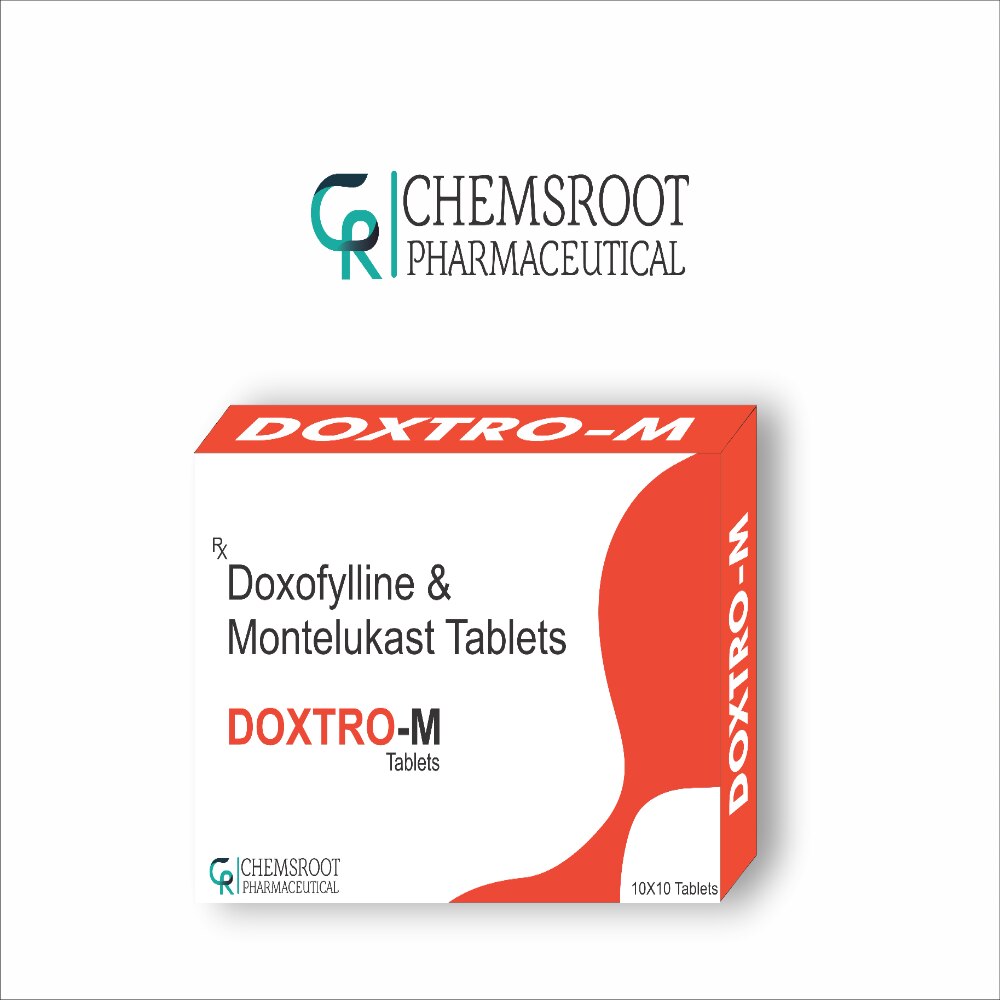 | Doxofylline & Montelukast Tablet Composition-Doxofylline & Montelukast Tablet View product → |
Keywords