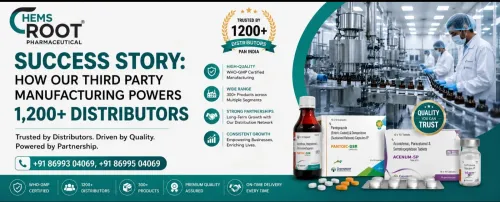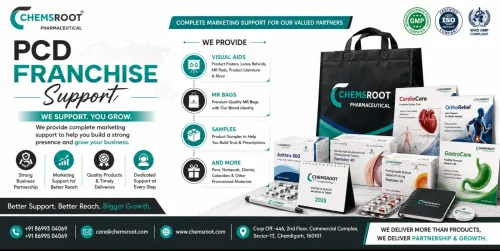

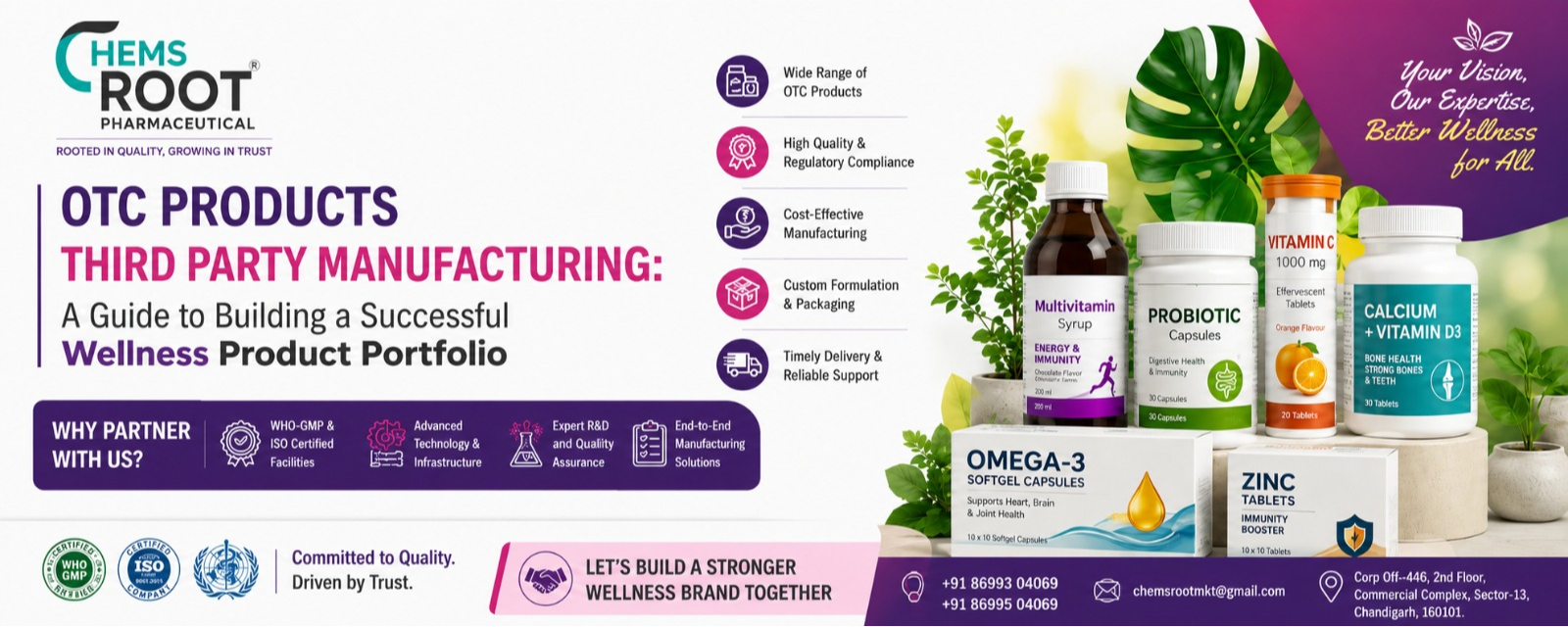
Over-the-counter (OTC) healthcare products have become an essential part of preventive healthcare and self-care. Consumers today actively seek products that help manage common health concerns without requiring a prescription, creating strong demand for vitamins, digestive aids, pain relief products, immunity boosters, skin care formulations, and other wellness solutions. As this market continues to expand, many pharmaceutical companies and healthcare brands are turning to OTC products third party manufacturing to introduce high-quality products efficiently.
Selecting the right manufacturing partner plays a significant role in ensuring product consistency, regulatory compliance, and long-term business growth.
What Are OTC Products?
OTC products are medicines and wellness formulations that are legally available for purchase without a prescription, subject to applicable regulations. They are commonly used to manage everyday health concerns and support overall well-being.
Popular OTC product categories include:
- Multivitamin supplements
- Antacids
- Cough and cold preparations
- Pain relief tablets and gels
- Digestive health products
- Skin care creams
- Antiseptic solutions
- Oral care products
- Nutritional supplements
- Herbal wellness formulations
The growing demand for preventive healthcare has made this one of the fastest-expanding segments within the pharmaceutical industry.
Why OTC Products Continue to Grow
Several factors have contributed to the increasing popularity of OTC medicines and wellness products.
These include:
- Greater awareness of preventive healthcare
- Increasing focus on immunity and nutrition
- Busy lifestyles encouraging convenient healthcare solutions
- Expansion of pharmacy and retail healthcare networks
- Rising consumer interest in wellness products
This growing demand creates opportunities for pharmaceutical businesses looking to expand their product offerings.
Why Third Party Manufacturing Is a Practical Choice
Developing an in-house manufacturing facility requires considerable investment in equipment, infrastructure, quality systems, and regulatory compliance.
Third party manufacturing offers businesses access to established production capabilities while reducing operational complexity.
Key benefits include:
- Lower infrastructure costs
- Faster product launches
- Access to experienced manufacturing teams
- Flexible production volumes
- Professional quality assurance
- Regulatory documentation support
This business model enables companies to concentrate on branding, sales, and market expansion while manufacturing is managed by specialists.
What to Look for in an OTC Manufacturing Partner
Choosing the right manufacturing company involves evaluating multiple aspects beyond pricing.
Manufacturing Standards
The facility should operate according to GMP guidelines with documented manufacturing procedures and consistent quality systems.
Product Development Capabilities
Manufacturers with formulation expertise can help businesses develop products that meet current market requirements while maintaining product stability and quality.
Quality Control
A dependable manufacturer performs routine testing throughout production, including raw material evaluation, in-process inspections, finished product analysis, and stability studies.
Packaging Options
Attractive and functional packaging improves shelf appeal while protecting product quality during transportation and storage.
Production Flexibility
Manufacturers should have the ability to support both small and large production batches as business requirements evolve.
Expanding Your Wellness Product Portfolio
A well-planned OTC portfolio allows businesses to serve multiple customer segments.
Products may be developed for:
- Daily nutritional support
- Seasonal wellness
- Digestive care
- Personal hygiene
- Skin and hair care
- General pain management
- Lifestyle health products
Diversifying the portfolio helps reduce dependence on a single product category while addressing changing consumer preferences.
Common Mistakes Businesses Should Avoid
When selecting a manufacturing partner, businesses sometimes focus only on pricing or product quantity.
Instead, it is important to avoid:
- Ignoring manufacturing quality standards.
- Overlooking regulatory documentation.
- Selecting products without market research.
- Choosing manufacturers with inconsistent supply capabilities.
- Neglecting packaging quality.
- Failing to review quality assurance processes.
Careful evaluation at the beginning of the partnership can prevent operational challenges later.
Chandigarh's Growing Importance in OTC Manufacturing
Chandigarh has become an important pharmaceutical business destination for companies serving North India. Its proximity to Punjab, Haryana, Himachal Pradesh, and other neighboring markets supports efficient logistics and distribution.
Many pharmaceutical distributors, retailers, and healthcare businesses choose manufacturers in this region because of its established pharmaceutical ecosystem and strong connectivity.
Choosing a Manufacturing Partner for Long-Term Success
A successful OTC business depends on more than introducing new products. Consistent manufacturing quality, reliable supply, regulatory compliance, and strong product development capabilities all contribute to sustainable growth.
Companies such as Chemsroot Pharmaceutical support pharmaceutical businesses through third party manufacturing solutions for a broad range of OTC and wellness formulations. By evaluating manufacturing infrastructure, quality systems, technical expertise, and production reliability before entering into a partnership, businesses can build a product portfolio that meets evolving consumer expectations while supporting long-term growth in the competitive wellness market.