
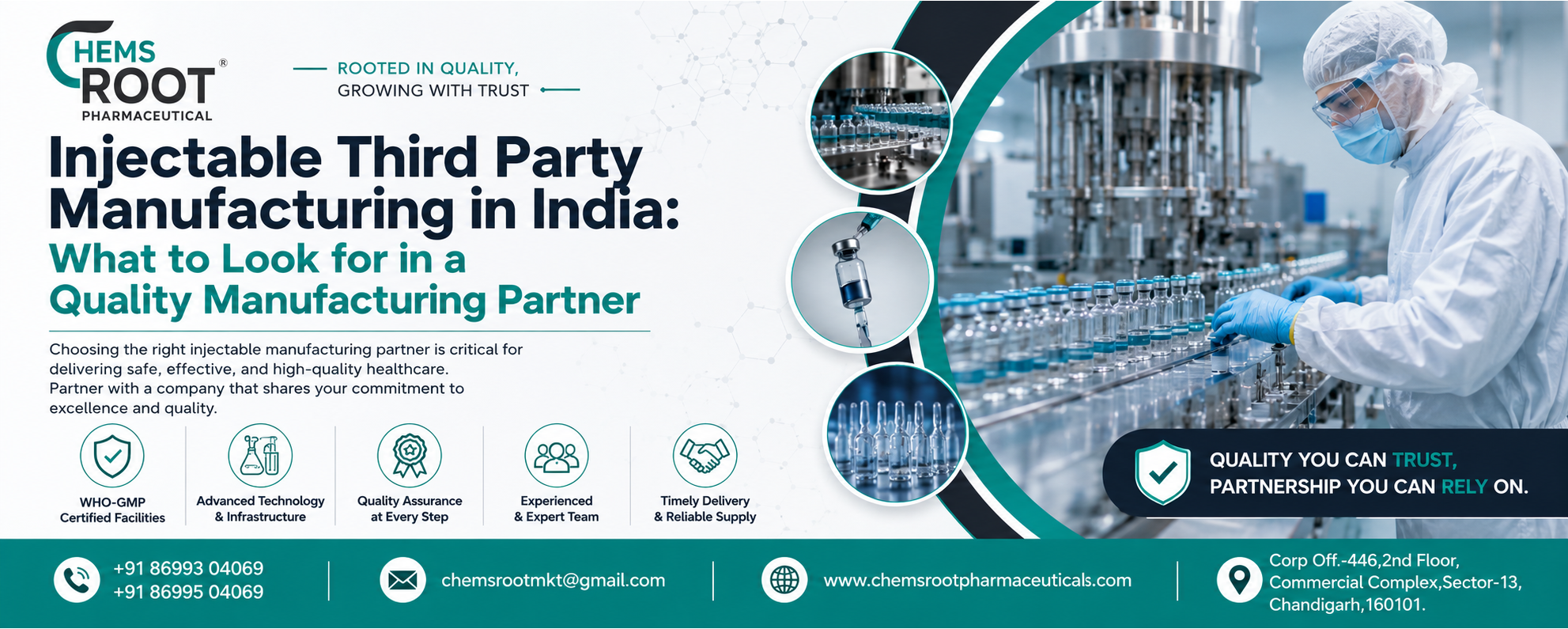
Injectable medicines play a vital role in modern healthcare. From antibiotics and pain management drugs to life-saving critical care medications, injectable formulations are used across hospitals, clinics, and healthcare institutions every day. Because these products require high precision, strict quality control, and advanced manufacturing facilities, selecting the right injectable third party manufacturing partner is one of the most important decisions for pharmaceutical companies.
Whether you are launching a new product, expanding your portfolio, or looking for a reliable manufacturing partner, understanding what defines quality injectable manufacturing can help you make an informed choice.
Why Injectable Manufacturing Requires Higher Standards
Unlike oral medicines, injectable products bypass the body's natural protective barriers. Even minor contamination or formulation errors can affect patient safety. This is why injectable manufacturing follows much stricter quality standards than many other pharmaceutical dosage forms.
A reliable manufacturer invests in advanced sterile production facilities, validated manufacturing processes, and comprehensive quality testing to ensure every batch meets regulatory expectations.
For businesses, partnering with a dependable manufacturer also helps reduce operational risks and maintain consistent product quality.
Essential Features of a Quality Injectable Manufacturer
Before selecting a manufacturing partner, evaluate several important factors beyond pricing.
Regulatory Compliance
The manufacturer should operate facilities that comply with Good Manufacturing Practices (GMP) and follow national pharmaceutical regulations. Compliance demonstrates that manufacturing processes are documented, monitored, and regularly audited.
Sterile Manufacturing Environment
Injectable medicines require controlled cleanroom environments with strict environmental monitoring. Proper sterilization, air filtration, and contamination control are essential throughout production.
Experienced Technical Team
Manufacturing sterile formulations requires specialized expertise. A skilled production and quality assurance team helps maintain product consistency while meeting regulatory requirements.
Product Testing
Every batch should undergo rigorous quality checks, including:
- Sterility testing
- Stability studies
- Microbiological analysis
- Physicochemical testing
- Packaging integrity evaluation
These tests help ensure products remain safe and effective throughout their shelf life.
Advantages of Third Party Injectable Manufacturing
Many pharmaceutical businesses choose third party manufacturing instead of establishing their own production units. This approach offers several operational benefits.
Some key advantages include:
- Lower capital investment
- Faster product launches
- Access to modern manufacturing technology
- Reduced operational responsibilities
- Better production scalability
- Professional regulatory support
This allows companies to focus on product marketing, distribution, and business development while manufacturing is managed by experienced professionals.
Questions to Ask Before Choosing a Manufacturing Partner
Before signing an agreement, it is helpful to ask a few important questions.
- Does the company manufacture sterile injectable formulations regularly?
- What quality certifications does the facility hold?
- How are production batches monitored?
- What quality assurance systems are followed?
- Can the manufacturer support different injectable formulations?
- How are regulatory documentation and product records maintained?
The answers provide valuable insight into the manufacturer's capabilities and long-term reliability.
Common Injectable Products Manufactured Through Third Party Services
Third party manufacturers support a wide variety of pharmaceutical segments, including:
- Antibiotic injections
- Anti-inflammatory injections
- Critical care injectables
- Vitamin injections
- Hormonal injections
- Pain management medicines
- Cardiac medications
- Anti-infective products
Many manufacturers also provide customized manufacturing support depending on the client's therapeutic requirements.
Why Quality Assurance Matters Throughout Production
Quality should never be limited to final product testing. A dependable manufacturer follows quality assurance practices throughout the manufacturing cycle.
This includes:
- Raw material verification
- Vendor qualification
- In-process quality checks
- Environmental monitoring
- Finished product testing
- Batch documentation
- Product traceability
These practices reduce variability and improve manufacturing consistency over time.
The Importance of Packaging and Storage
Injectable medicines are sensitive to environmental conditions. Appropriate packaging protects product stability during transportation and storage.
Manufacturers should use validated packaging materials and recommend suitable storage conditions based on formulation requirements. Proper packaging also supports regulatory compliance and minimizes the risk of product damage during distribution.
Chandigarh's Growing Role in Pharmaceutical Manufacturing
Chandigarh has become an important business destination for pharmaceutical companies due to its proximity to major manufacturing hubs in North India. Businesses across Punjab, Haryana, Himachal Pradesh, Delhi, and neighboring states frequently work with manufacturers in this region to simplify logistics and strengthen supply chain efficiency.
For distributors, healthcare institutions, and pharmaceutical marketers, partnering with an experienced manufacturer located in this pharmaceutical ecosystem can support smoother business operations.
Choosing a Long-Term Manufacturing Partner
A manufacturing relationship should extend beyond production capacity. Reliability, regulatory compliance, transparent communication, technical expertise, and consistent quality all contribute to long-term business success.
Companies such as Chemsroot Pharmaceutical, based in the Chandigarh region, work with businesses looking for dependable injectable third party manufacturing solutions supported by quality-focused processes. Reviewing a manufacturer's capabilities, certifications, and product portfolio before making a decision helps build a stronger and more sustainable pharmaceutical partnership.
A carefully selected manufacturing partner not only delivers quality injectable products but also contributes to business growth, regulatory confidence, and improved customer satisfaction over the long term.