
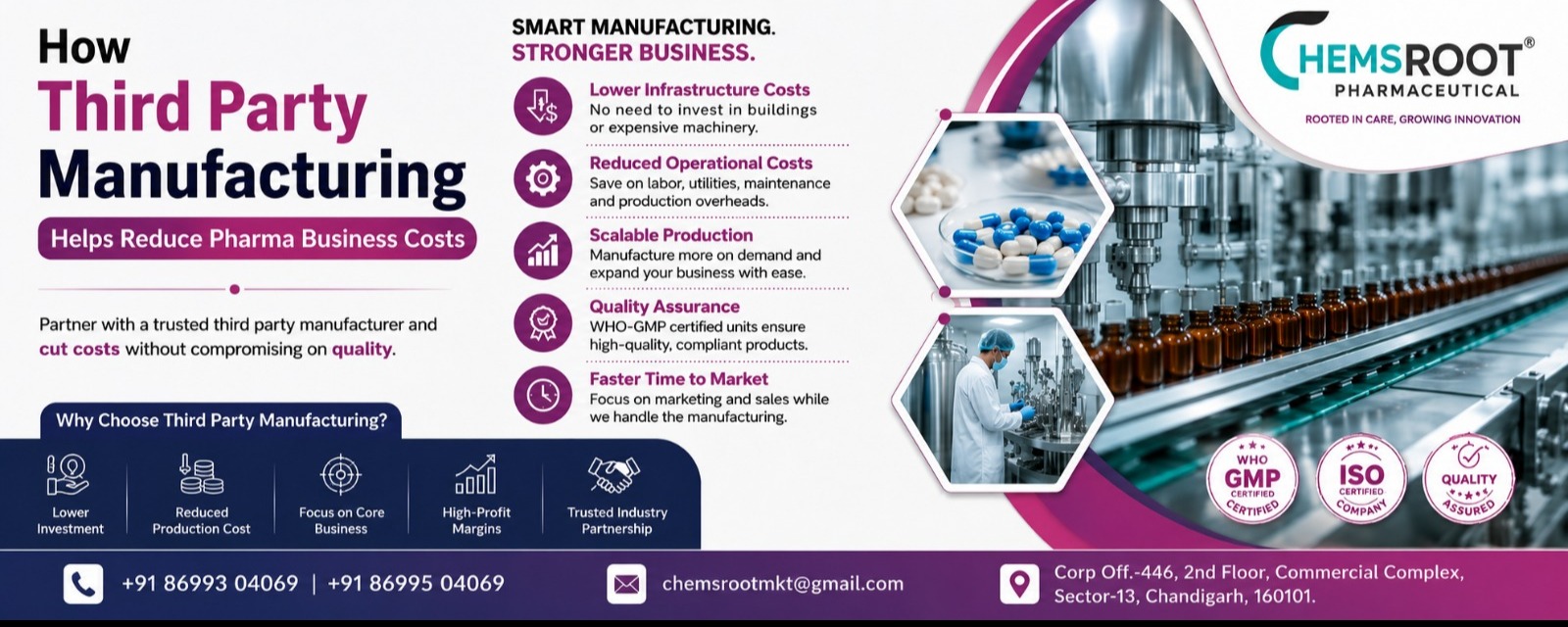
Managing costs while maintaining product quality is one of the biggest challenges for pharmaceutical companies. Setting up a manufacturing facility requires substantial investment in infrastructure, machinery, quality control laboratories, regulatory approvals, and skilled manpower. For many pharmaceutical marketers, distributors, and entrepreneurs, this investment may not be practical, especially during the initial stages of business growth.
This is where third party pharmaceutical manufacturing offers a practical solution. By partnering with an experienced manufacturer, businesses can optimize operational costs, improve efficiency, and focus on expanding their market presence without compromising product quality or regulatory compliance.
What Is Third Party Pharmaceutical Manufacturing?
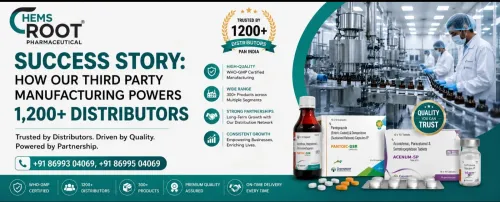
Third party pharmaceutical manufacturing is a business model in which a pharmaceutical company outsources the production of medicines to an established manufacturer. The manufacturing partner produces the products according to agreed specifications, while the marketing company manages branding, sales, distribution, and customer relationships.
This approach allows businesses to introduce pharmaceutical products without building and operating their own manufacturing facility.
How Third Party Manufacturing Supports Cost Efficiency
One of the primary reasons pharmaceutical companies choose third party manufacturing is its ability to reduce capital expenditure and ongoing operational responsibilities.
Businesses can avoid major investments in:
- Manufacturing infrastructure
- Production machinery
- Quality control laboratories
- Cleanroom facilities
- Utility installations
- Equipment maintenance
- Factory workforce
Instead of allocating resources to production infrastructure, companies can invest in product development, marketing, business expansion, and customer acquisition.
Reduced Operational Responsibilities
Running a pharmaceutical manufacturing unit involves continuous operational management beyond the production process itself.
These responsibilities typically include:
- Hiring technical staff
- Maintaining manufacturing equipment
- Conducting quality assurance activities
- Managing regulatory inspections
- Maintaining production documentation
- Monitoring environmental controls
- Performing equipment validation
By outsourcing manufacturing, businesses gain access to these capabilities through an experienced manufacturing partner while reducing day-to-day operational complexity.
Faster Product Launches
Developing an in-house manufacturing facility can take considerable time due to infrastructure development, equipment installation, regulatory approvals, and process validation.
Third party manufacturing enables businesses to introduce products much faster because established manufacturers already have production systems, quality processes, and regulatory documentation in place.
This shorter timeline helps companies respond more effectively to changing market demand and business opportunities.
Access to Modern Manufacturing Technology
Established pharmaceutical manufacturers continually invest in advanced production equipment and quality control systems.
Businesses working with experienced manufacturers benefit from access to:
- Automated manufacturing facilities
- Advanced analytical laboratories
- Modern packaging systems
- Stability testing capabilities
- Process validation expertise
- Research and development support
This allows pharmaceutical companies to offer high-quality products without making significant technology investments.
Flexible Production Capacity
As businesses grow, production requirements often change. Third party manufacturing provides the flexibility to increase or adjust production volumes without investing in additional manufacturing infrastructure.
This flexibility helps businesses:
- Launch new product lines
- Expand into additional markets
- Respond to seasonal demand
- Increase production as sales grow
- Manage inventory more efficiently
Scalable manufacturing supports long-term business growth while minimizing operational risk.
Maintaining Quality While Optimizing Costs
Cost efficiency should never come at the expense of product quality. Reliable third party manufacturers implement comprehensive quality systems throughout the production process.
These quality measures generally include:
- GMP-compliant manufacturing
- Raw material verification
- In-process quality monitoring
- Finished product testing
- Stability studies
- Batch documentation
- Regulatory compliance procedures
Such practices help ensure consistent product quality while supporting industry standards and regulatory requirements.
Choosing the Right Manufacturing Partner
Before entering into a manufacturing agreement, businesses should evaluate several important factors.
Consider reviewing:
- Manufacturing infrastructure
- Quality assurance systems
- Product portfolio
- Regulatory compliance
- Production capacity
- Documentation support
- Delivery timelines
- Technical expertise
A thorough assessment helps establish a partnership that supports both immediate requirements and future business growth.
Why Chandigarh Is a Strategic Manufacturing Location
Chandigarh has developed into a significant pharmaceutical business destination for companies serving North India. Its proximity to Punjab, Haryana, Himachal Pradesh, and nearby markets provides logistical advantages for pharmaceutical distributors, stockists, and healthcare organizations.
Working with a manufacturer based in this region can contribute to efficient supply chain management, timely deliveries, and better coordination throughout the manufacturing process.
Building a Sustainable Pharmaceutical Business
Third party manufacturing has become an effective business strategy for pharmaceutical companies seeking to optimize costs while maintaining high manufacturing standards. Although the level of savings varies depending on product type, production volume, and business model, outsourcing production allows companies to focus their resources on innovation, customer relationships, and market expansion rather than manufacturing infrastructure.
Companies such as Chemsroot Pharmaceutical provide third party manufacturing solutions across a wide range of pharmaceutical products, helping businesses benefit from established manufacturing capabilities, quality assurance systems, and scalable production. Selecting a reliable manufacturing partner with proven technical expertise and consistent quality practices can support sustainable business growth while enabling pharmaceutical companies to remain competitive in an evolving healthcare market.