

Starting a PCD pharma franchise is one of the most practical ways to enter the pharmaceutical industry without investing in manufacturing facilities. With an established product portfolio and manufacturing support, entrepreneurs can focus on marketing and distribution while building their presence in the healthcare sector.
However, many first-time applicants are unsure about the documentation, approval process, and steps involved in becoming a franchise partner. Understanding the process in advance helps avoid delays and ensures a smoother onboarding experience.
What Is a PCD Pharma Franchise?
A PCD (Propaganda Cum Distribution) pharma franchise allows an individual or business to promote and distribute pharmaceutical products within an assigned territory under the manufacturer's brand. The franchise partner benefits from an existing product range while managing local sales and customer relationships.
This business model is suitable for:
- Medical representatives
- Pharma distributors
- Healthcare entrepreneurs
- Pharmacy owners
- Wholesalers
- Pharmaceutical marketing companies
Step 1: Evaluate Your Business Goals
Before applying, identify the therapeutic segments you want to work with.
For example:
- General medicine
- Antibiotics
- Pediatrics
- Dermatology
- Gynecology
- Cardiology
- Orthopedics
- Nutraceuticals
Choosing the right product categories helps you build a focused business strategy.
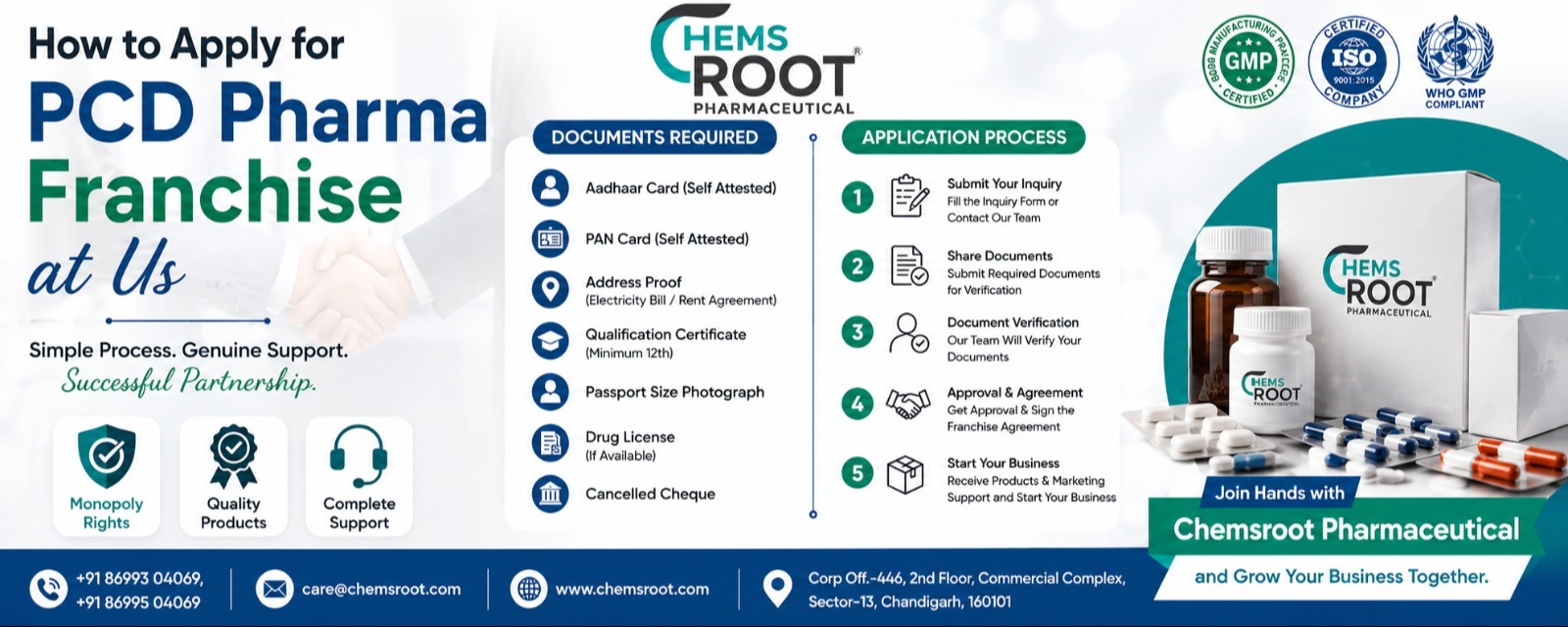
Step 2: Gather the Required Documents
Although document requirements may vary depending on the business structure and applicable regulations, applicants are generally expected to provide:
- Valid Drug License
- GST Registration Certificate
- PAN Card
- Aadhaar Card or identity proof
- Business address proof
- Firm registration details (if applicable)
Providing complete and accurate documents helps speed up the verification process.
Step 3: Discuss Product Requirements
After document verification, the next step is to finalize the products you intend to market.
During this discussion, businesses typically review:
- Product categories
- Product availability
- Packaging options
- Pricing
- Territory availability
- Initial order requirements
This stage helps both parties align expectations before proceeding.
Step 4: Territory Allocation
Many PCD pharma franchise businesses prefer working in defined geographic territories to strengthen market coverage.
Before finalizing an agreement, clarify:
- Territory availability
- Product exclusivity, if offered
- Expansion opportunities
- Future product additions
Understanding territory policies helps in long-term business planning.
Step 5: Order Confirmation
Once documentation and product selection are complete, the initial order is processed.
This generally includes:
- Order confirmation
- Invoice generation
- Packaging preparation
- Dispatch scheduling
Maintaining clear communication during this stage ensures timely execution.
What Support Can Franchise Partners Expect?
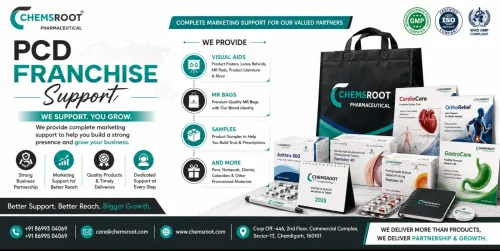
Many manufacturers provide additional business support to help franchise partners establish their operations.
Support may include:
- Product catalogues
- Marketing materials
- Product information
- Packaging assistance
- New product updates
- Business guidance
The level of support varies between manufacturers, making it an important factor during evaluation.
Why Chandigarh Is a Preferred Pharma Hub
Chandigarh has become an important centre for pharmaceutical businesses due to its connectivity with Punjab, Haryana, Himachal Pradesh, and Delhi NCR. Its location supports efficient logistics, making it convenient for franchise partners operating across North India.
Chemsroot Pharmaceutical works with pharmaceutical professionals seeking PCD franchise opportunities by offering a structured onboarding process, diverse product portfolio, and documentation guidance. The company focuses on helping partners complete the application process efficiently while maintaining transparency throughout each stage.
Preparing for a Successful Franchise Journey
Applying for a PCD pharma franchise involves more than submitting documents. Businesses should carefully evaluate the product portfolio, manufacturer support, territory policies, and long-term growth opportunities before making a decision. A well-planned start, supported by reliable documentation and realistic business goals, creates a stronger foundation for sustainable success in the pharmaceutical industry.